A great hotel is rarely remembered for its thread count.
People remember a morning coffee on a terrace before the town wakes up. They remember the owner who knew which beach would be quiet that day. They remember a room that felt connected to the place outside the window, not sealed away from it.
That thought came back while reading Travel + Leisure’s new T+L 500 list, the magazine’s annual selection of hotels chosen through its World’s Best Awards survey. The article picks ten examples from the full list: a tiny resort in the Philippines, a castle in Ireland, a Paris classic, a wellness retreat in Chiang Mai, a hotel in Kenya where giraffes lean into the windows.
Different countries, different prices, different styles. But the best ones seem to understand the same thing: hospitality is not just a bed. It is a memory with a room number.
For the Amalfi Coast, that lesson matters.
The best hotels have one clear story
Look at the hotels Travel + Leisure chose to mention. Giraffe Manor has giraffes at breakfast. Jade Mountain in St. Lucia has open-air rooms facing the Pitons. Dromoland Castle has 500 acres and a 16th-century castle story. Atlantis The Palm has underwater suites and a giant water park.
You can describe each place in one sentence.
That is not an accident. The strongest hotels know what guests will say when they go home.
On the Amalfi Coast, many places already have that sentence. They just do not always say it clearly enough.
A small apartment in Atrani might be “sleeping inside one of Italy’s tiniest seaside towns.” A room in Ravello might be “waking up above the coast, away from the day-trip crowds.” A stay in Amalfi could be “living a few steps from the cathedral bells and the ferry pier.”
The story does not need to be grand. It needs to be specific.
Small can be better than big
One of the nice surprises in the T+L article is how many small properties stand beside the famous names. Nay Palad Hideaway has only 10 villas. Villa Mara Carmel has 16 rooms. The Loutrel in Charleston has 50.
That should feel encouraging here.
The Amalfi Coast is not made for giant anonymous hotels. Its charm is in narrow stairways, family-run bars, hand-painted tiles, cats sleeping near church doors, and rooms where the sea appears between two old buildings.
Big hotel thinking can ruin that. Small hospitality can protect it.
A guesthouse does not need a marble lobby to feel special. It needs a clean room, a warm arrival, good local advice, and one detail that feels personal. Fresh lemons from a neighbor. A handwritten breakfast tip. A WhatsApp message warning guests about ferry wind or parking trouble before they waste an hour.
Those things are not expensive. They are thoughtful.
The room should point toward the place
A common thread in the hotels T+L mentions is that the property does not try to hide its location. It uses it.
At Jade Mountain, the Caribbean air is part of the room. At the Irish castle, history is part of the stay. At the Chiang Mai retreat, the mountains and wellness culture shape the rhythm of the visit.
That is exactly where the Amalfi Coast has an advantage.
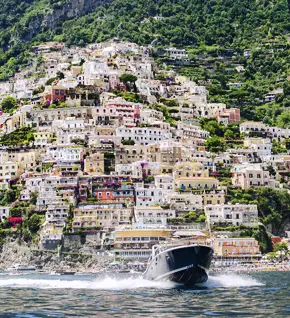
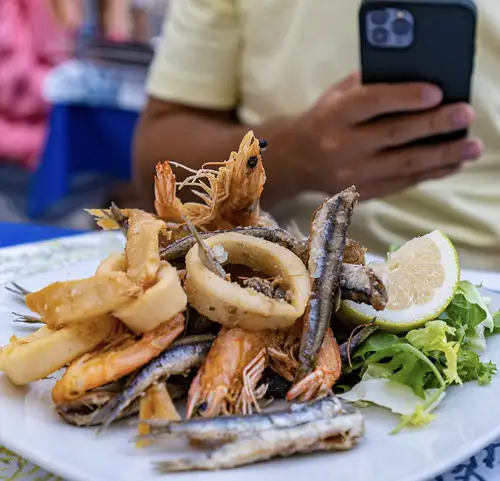
Here, the place is already doing half the work: the smell of lemon leaves after rain, the church bells in the morning, scooters climbing impossible roads, fishing boats below the promenade, a late plate of scialatielli after the beach.
Good hospitality should not erase that. It should help guests notice it.
Instead of only saying “sea view,” tell people what the morning feels like from that balcony. Instead of “central location,” explain that the bakery is two minutes away and the first ferry leaves before the crowds arrive. Instead of a generic restaurant list, give one honest suggestion for lunch when the guest is tired and sunburned.
That is the kind of service people remember.
Luxury is becoming more personal
The old idea of luxury was easy to spot: chandeliers, silence, white gloves, heavy curtains.
Some travelers still want that. Fair enough. But the more interesting version of luxury now is personal and local.
It is the feeling that someone has removed friction from your day. You know where to park. You know which stairs are worth taking and which ones will make you regret your suitcase. You know when Positano will be too full and when Atrani will feel almost private.
For the Amalfi Coast, this is where small hosts can beat larger hotels.
A big property may have a concierge desk. A small local host may know that the bus stop is chaos after 5 p.m., that the best lemon granita is not in the most photographed square, and that the beach is better after the ferry crowd leaves.
That kind of knowledge is hospitality too.
Photos matter because memories need shape
Travel + Leisure’s hotel examples are easy to picture. That is part of why they work.
A giraffe at a window. A pool open to the sky. A castle in green fields. A Paris suite with old-world polish.
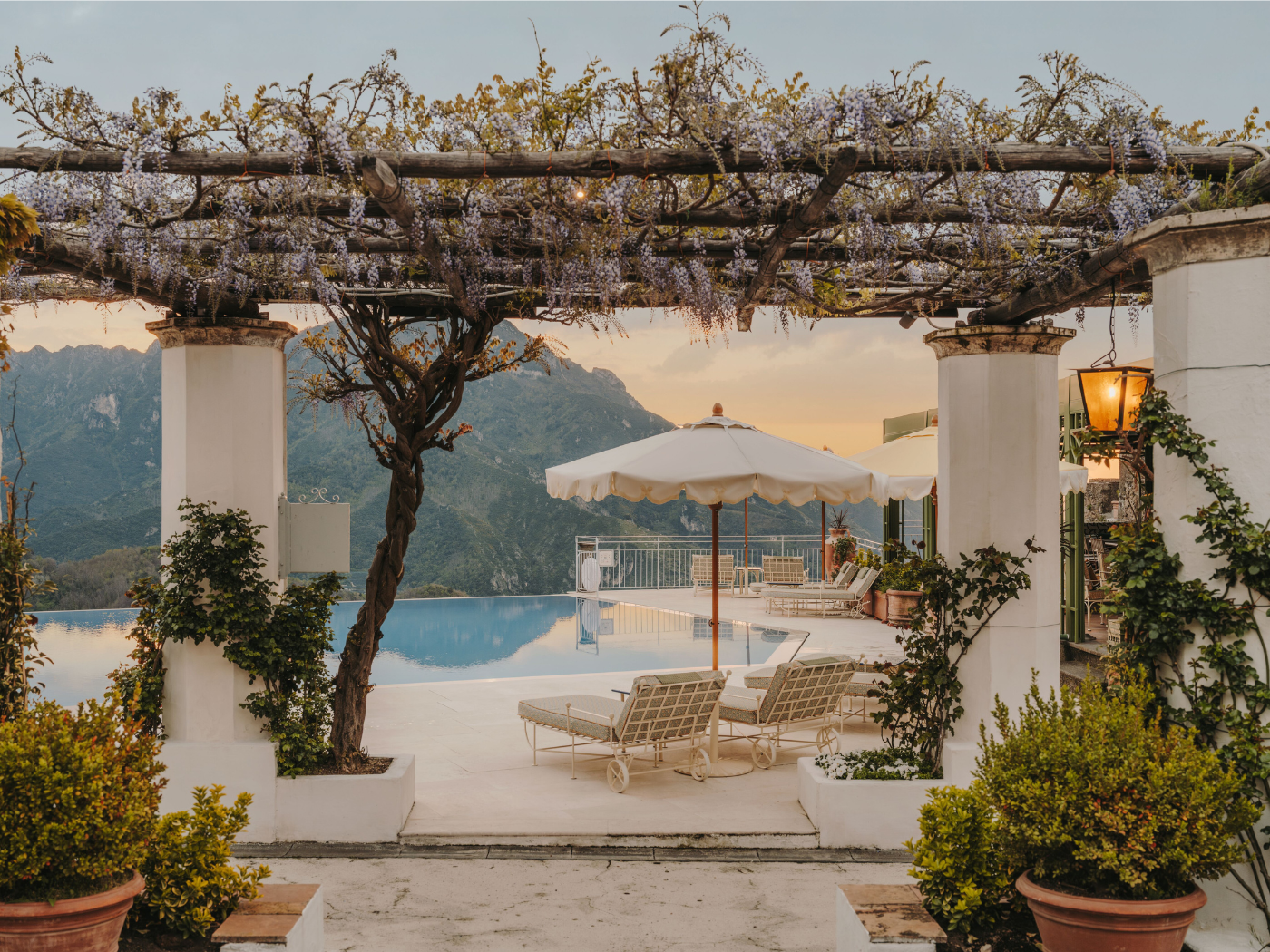
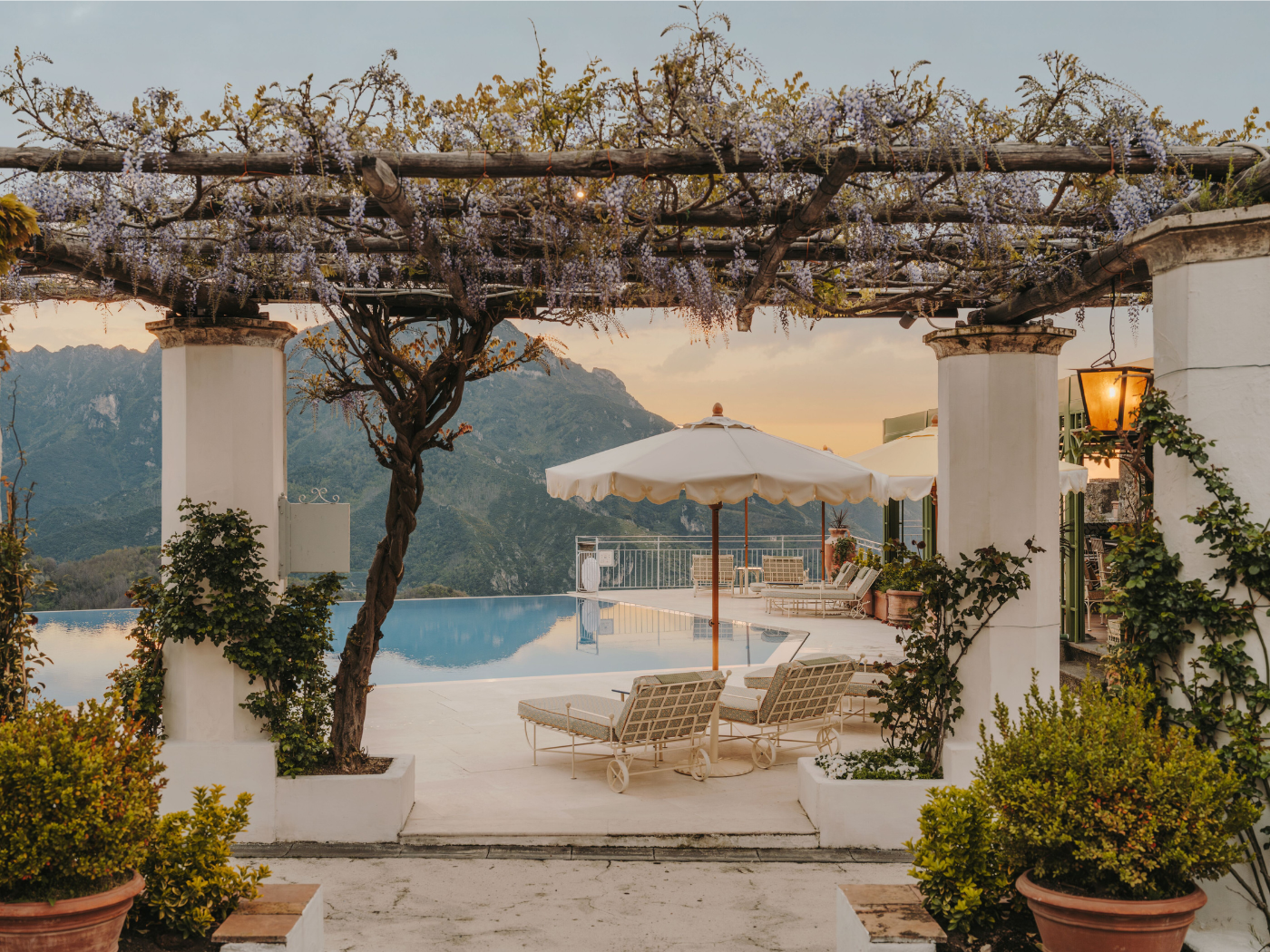
The Amalfi Coast has more visual material than almost anywhere, but many listings and tourism pages still sell it with the same tired images: blue sea, terrace, lemon tree, repeat.
The better question is: what is the guest inside this picture doing?
Are they carrying breakfast to a balcony in Atrani? Walking down to the ferry before the heat arrives? Drinking a spritz in Minori after a swim? Choosing sandals because the day will have too many stairs?
That is more human than another perfect postcard.
What Amalfi Coast hosts can borrow from the world’s best hotels
If I had to turn the T+L lesson into a local checklist, it would be this:
- Give the stay a clear sentence. What will guests tell friends about your place?
- Make arrival easy. Parking, luggage, stairs, ferries, check-in. This is where stress starts.
- Use local knowledge. One good tip at the right moment beats a long PDF nobody reads.
- Add one personal detail. Small, real, and connected to the coast.
- Photograph moments, not just rooms. Show what the guest will feel and do.
- Be honest about inconvenience. Stairs, noise, summer crowds. Guests forgive reality when they are prepared for it.
None of this requires pretending every guesthouse is a five-star resort.
Actually, the opposite.
The Amalfi Coast works best when it feels like itself: beautiful, complicated, vertical, warm, occasionally chaotic, and deeply tied to daily life.
The world’s best hotels are not loved because they all look the same. They are loved because guests leave with a story.
Here, the story is already outside the door. Good hospitality just opens it properly.
Source: Travel + Leisure, “These 500 Hotels Were Voted the Best in the World by T+L Readers.”